
In today’s economy, finding the most profitable businesses with low investment has become a top priority for many aspiring entrepreneurs. With inflation rising and jobs becoming more competitive, more Nigerians are looking for ways to create alternative income streams without needing millions in capital. Fortunately, some of the best business ideas don’t require heavy spending—just creativity, consistency, and a willingness to start small.
This guide is specially crafted for beginners, students, side hustlers, and anyone who dreams of building a profitable business from scratch with limited resources. Whether you have ₦10,000, ₦20,000, or slightly more, you’ll find ideas that are practical, scalable, and relevant to the Nigerian market.
Expect to discover 10 high-potential business ideas, plus a bonus section, success stories, tools to make your work easier, and smart tips to help you avoid common mistakes. By the end of this guide, you’ll not only know where to start but also how to grow.
What Makes a Business Profitable with Low Investment?
Not all small businesses are created equal. Some require high capital and yield low profit, while others are lean, fast-moving, and deliver solid returns. So what exactly makes a business one of the most profitable businesses with low investment?
Understanding Profit Margins in Small Ventures
A profitable business has a high return on investment (ROI). In simple terms, you spend less to set it up but earn back your money—and then some—very quickly. For example, if you invest ₦10,000 and make ₦5,000 every week, you’re on track to recover and grow.
Key traits of such businesses:
Low cost of entry (startup materials or setup below ₦50,000)
High product/service demand
Low operational costs
Quick turnover rate (fast sales cycle)
Importance of Scalability and Low Overhead
The best low-capital businesses don’t trap you in a cycle of manual labor forever. They are scalable, meaning you can grow them by reaching more customers, using tools, or hiring help. They also maintain low overhead—you don’t need to rent a fancy office, hire a big team, or spend thousands on ads to stay afloat.
For example, reselling data or airtime online doesn’t need a physical store. Just your smartphone, access to a VTU platform, and some marketing effort.
Factors to Consider Before Choosing a Business
Before diving in, consider the following:
Your skills and interests: Choose something you’ll enjoy doing.
Market demand: Is there a real need for it where you live or online?
Time availability: Can you manage it alongside work or school?
Startup cost: Can you realistically afford to begin without borrowing?
When these elements align, the business becomes not just doable, but sustainable.
🧠 Pro Tip: Always validate the idea first. Talk to people, test a mini version, and check online trends using tools like Google Trends or Nairaland discussions.
Business Idea #1: Reselling Data and Airtime Online
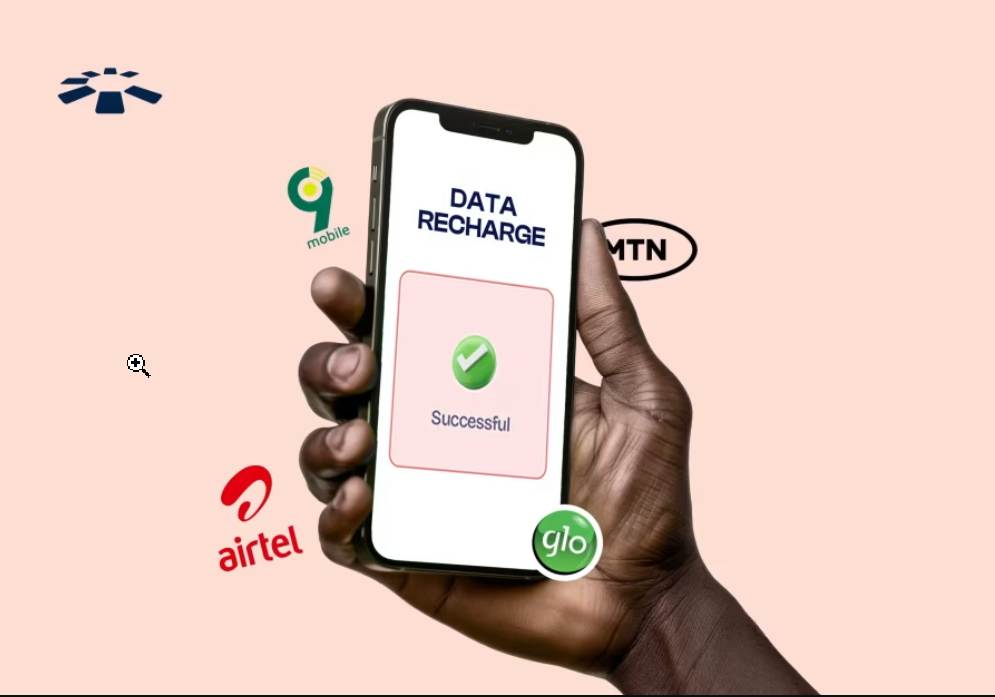
Among the most profitable businesses with low investment in Nigeria today is data and airtime reselling. With the rising cost of living and growing digital dependency, Nigerians are constantly recharging data and airtime to stay connected. This makes the VTU (Virtual Top-Up) business a reliable way to earn a steady income daily with little capital.
Why Digital Products Are the New Goldmine
Digital products like airtime, data, and utility payments require no inventory, no physical storage, and no delivery logistics. You buy and sell instantly with zero product spoilage or delay. Once you register on a reliable platform, you become a mini telecom vendor and can sell to anyone with a phone.
What makes this business even more profitable is the volume of usage. People recharge daily, meaning you can earn commissions multiple times a day from different customers.
Tools and Platforms Needed to Get Started
To begin, all you need is a smartphone, an internet connection, and a VTU platform. One trusted option is GopayNG, which lets you buy and resell data, airtime, electricity tokens, and more. You get discounted rates, and you earn a small profit on each transaction.
Other helpful tools include:
WhatsApp or Telegram for receiving orders
Canva for designing your price list or posters
Instagram and Facebook for marketing
You can start with as little as ₦5,000 and grow from there.
How to Attract Daily Paying Customers
Start by marketing to your immediate circle—family, friends, classmates, or colleagues. Share your VTU price list on WhatsApp status and in groups. Offer bonuses for referrals or discounts for loyal customers. Be consistent with posting your services daily.
As your business grows, consider using paid WhatsApp TV ads or short skits on TikTok to reach a wider audience. You can even build a mini-website or blog for long-term reach.
💡 Related tip: Use Paystack or Flutterwave to accept payments easily if you want to scale beyond friends.
Business Idea #2: Mini Importation Business
Mini importation remains one of the most profitable businesses with low investment because it allows you to tap into the global market without breaking the bank. With as little as ₦20,000, you can import small but valuable goods from China and resell them at a high profit locally.
Sourcing Products from China with Little Capital
Thanks to platforms like 1688.com, Alibaba, and even trusted local agents, Nigerians can now access cheap goods in bulk directly from manufacturers. Items like phone accessories, wristwatches, cosmetics, sunglasses, and clothing are hot-selling and affordable.
Local shipping agents can help you place orders and handle logistics, so you don’t even need a shipping license or travel documents.
Popular Products to Import for High Resale Value
Phone chargers, power banks, and earpieces
Kids’ toys and educational tools
Ladies’ fashion items (bags, jewelry, wigs)
Health and skincare gadgets
Smart watches and Bluetooth devices
Many of these items are bought for ₦500–₦1,500 and resold for ₦3,000–₦6,000, depending on demand.
Selling Through WhatsApp, Instagram, and Marketplaces
Once the items arrive, use clear pictures and videos to promote them on:
WhatsApp Status & Groups
Instagram & Facebook Marketplace
Jiji.ng or Konga
Good customer service, consistent posting, and giveaways can help you build loyal customers. As profits roll in, reinvest to increase stock or diversify into new product categories.
🧠 Pro Tip: Use apps like AliExpress to research trending products, even if you’re buying from 1688.
Business Idea #3: Liquid Soap and Cleaning Product Production
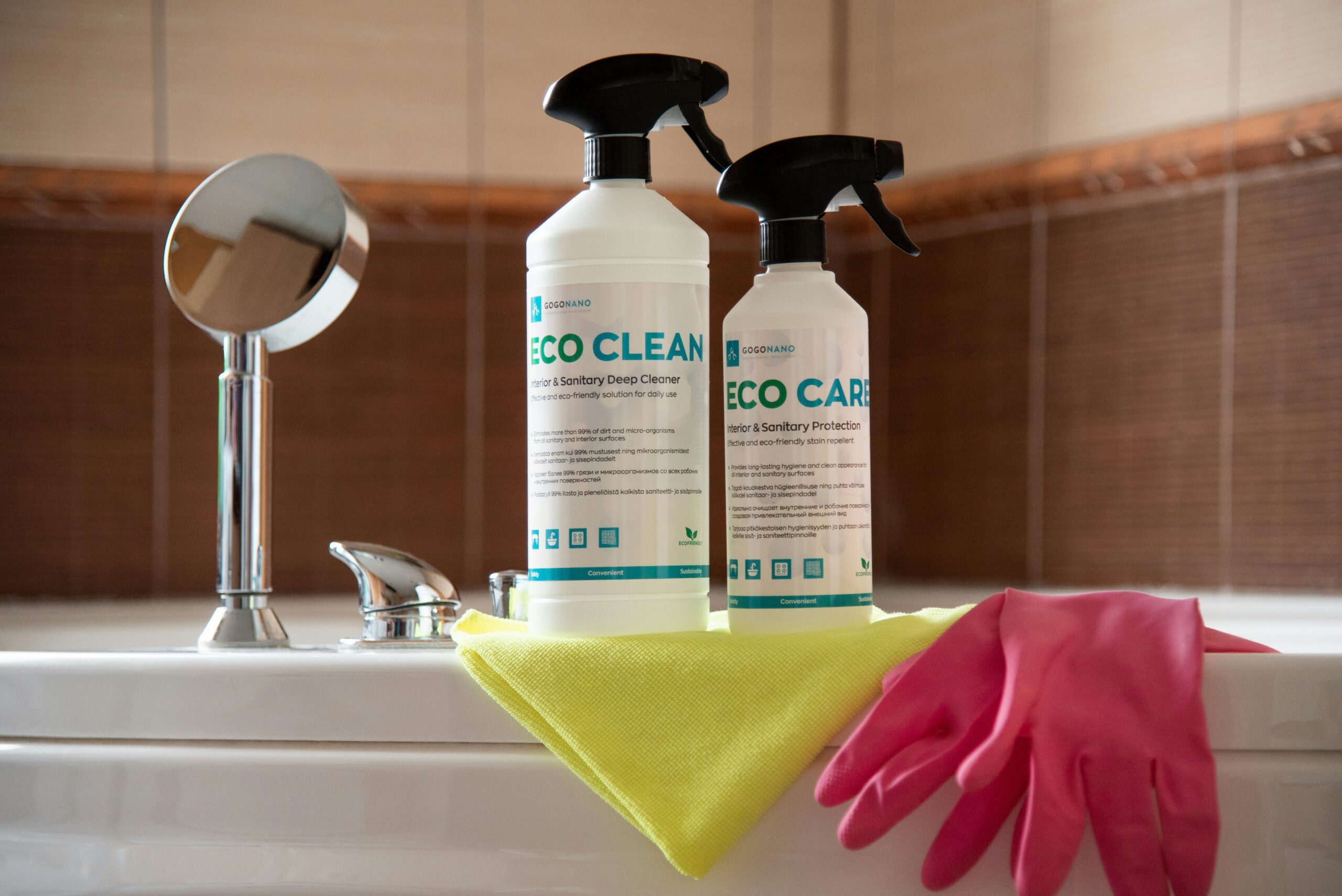
Liquid soap production is one of the most profitable businesses with low investment that you can start right from your home. With hygiene now a daily priority in homes, schools, offices, and public spaces, the demand for cleaning products like liquid soap, bleach, and air fresheners has soared.
This business is low-risk, easy to learn, and offers a high return on investment. Best of all, it requires very little startup capital—just a few raw materials, containers, and mixing tools.
Home-Based Production with Low Startup Cost
You can start making liquid soap with as little as ₦5,000 to ₦10,000, depending on the quantity you want to produce. The process doesn’t require any complex equipment. A basic home setup will do, and ingredients are readily available in most markets.
Common ingredients include:
Sulphonic acid
Caustic soda
Texapon
Soda ash
SLS (Sodium Lauryl Sulfate)
Perfume/fragrance
Colorant
You can purchase a complete beginner’s combo pack from local chemical shops or online stores like Jumia or Konga.
Step-by-Step Basic Formula for Beginners
Soak soda ash and caustic soda separately for 24 hours.
Mix SLS with a little water to dissolve it completely.
Add Texapon and stir properly to remove clumps.
Combine all solutions in a big bucket and mix thoroughly.
Add perfume and color, then leave to settle.
Bottle your soap in 500ml or 1L containers.
With practice, you can make your own unique formula or branch out into other products like antiseptic liquids, dishwashers, and air fresheners.
Target Customers and Distribution Tips
Your first customers are your neighbors, friends, family, church members, and office colleagues. You can also supply to:
Schools
Restaurants
Local shops and mini-marts
Car washes
Hair salons and barbershops
Offer discounts for bulk buyers and use creative labels to make your products stand out. Simple packaging with clear branding increases trust and makes your product more appealing.
📌 Pro Tip: Add your phone number and social media handle on the label. Offer free samples for first-time customers.

Business Idea #4: POS and Mobile Money Agent
Becoming a POS (Point of Sale) agent is another reliable way to run one of the most profitable businesses with low investment in Nigeria. With the cashless policy and limited ATM availability in many communities, people are always looking for convenient ways to withdraw and deposit money.
As a POS agent, you earn a commission on every transaction—be it withdrawals, transfers, airtime sales, or bill payments.
How the POS Business Works
You act as a mini-bank for your area. Customers come to you for financial transactions like:
Cash withdrawals
Deposits
Bill payments (DSTV, NEPA, GOtv)
Airtime and data recharge
You earn ₦100–₦300 per transaction, depending on your pricing and location. The more traffic you get, the more profit you make.
Startup Costs and Daily Income Potential
Initial setup can range from ₦10,000 to ₦30,000. This covers:
POS machine (some banks and fintechs give it free or on lease)
Registration with a mobile money operator (like OPay, Moniepoint, or Palmpay)
Float money (₦20,000–₦50,000 to begin transactions)
If you process 30 transactions a day at ₦100 each, that’s ₦3,000 daily—₦90,000 monthly.
Finding a Good Location and Trusted Aggregator
Location is key. Ideal places include:
Markets
Bus stops
Campus areas
Densely populated neighborhoods
Register with licensed agents like:
Avoid buying POS machines from unknown vendors. Use authorized sources to avoid fraud and hidden charges.
🔐 Bonus Tip: Get a good umbrella or kiosk to protect your equipment from rain or heat.

Business Idea #5: Social Media Management for Small Brands
Helping small businesses manage their social media pages is one of the most profitable businesses with low investment in today’s digital-driven economy. Thousands of small businesses in Nigeria are selling their products on platforms like Facebook and Instagram, but many don’t know how to manage or grow their pages effectively. That’s where your service becomes valuable.
As a social media manager, you can help them build engagement, create content, reply to messages, and run promotions—all from the comfort of your phone.
Helping Local Businesses Manage Instagram and Facebook
Many small business owners are busy running their offline operations and don’t have time or the knowledge to consistently post on social media. By taking over their account management, you become their online marketer.
Your tasks may include:
Creating engaging posts (product photos, quotes, tips)
Responding to comments and DMs
Running Facebook and Instagram ads (if they have a budget)
Growing followers through hashtags, giveaways, or page optimization
Even with no prior experience, you can quickly learn these skills by following free tutorials on YouTube or reading marketing blogs like HubSpot or Buffer.
Tools You Can Use for Free or Cheap
Canva – For designing stunning graphics, even if you’re not a designer
Meta Business Suite – To schedule posts for both Facebook and Instagram
CapCut or InShot – For editing short video content (great for reels or TikTok)
ChatGPT – For writing captions or generating content ideas
You don’t need expensive software or a laptop to start. Just a smartphone and your creativity.
How to Find Clients Even Without Experience
Start by creating your own social media page. Use it to showcase your design style and content samples. Then reach out to small businesses in your area—boutiques, POS shops, restaurants, salons, and vendors.
Offer to manage their pages for free for the first month or at a low trial price. If you deliver good results, they’ll likely retain you and refer you to others.

You can also find clients on:
💡 Pro Tip: Bundle your services. Offer basic packages like “3 posts per week + 1 ad setup” to make pricing easy and appealing.

Business Idea #6: Selling Thrift (Okrika) Clothing
Okrika clothing, also known as thrift wear, remains a thriving and one of the most profitable businesses with low investment, especially in urban areas. People love fashionable clothing at low prices, and selling thrift wear offers high margins with minimal capital.
You can start small, build your brand, and scale into a full-blown fashion resale business.
Where to Source Quality Second-Hand Clothes
You can buy in bale remnants or “select” grade at major markets like:
Yaba (Lagos)
Katangua (Abule Egba, Lagos)
Wuse Market (Abuja)
Aba Market (Abia)
You can also connect with wholesalers via WhatsApp or online who offer delivery options. With ₦10,000–₦20,000, you can buy a batch of clothes, shoes, or bags to start.
Look out for categories with high resale value:
Corporate shirts
Children’s wear
Jeans
Ladies’ handbags and shoes
Tips for Pricing, Washing, and Presentation
Wash and iron the clothes to make them attractive
Use good lighting to take clear pictures
Add simple tags with prices
Offer combo deals like “Buy 2, get 1 free” or “₦2,000 for 3 tops”
Presentation matters. Neat packaging, fast response time, and polite customer service will keep your buyers coming back.
Best Platforms for Quick Sales
WhatsApp Status: Build a loyal viewer list and post daily
TikTok: Create try-on haul videos or “before and after” videos
Instagram Reels: Use trending audio to showcase your wears
Offline Sales: Set up a stand at a busy junction or sell from home on weekends
💰 Tip: Some sellers make ₦5,000–₦10,000 daily just from WhatsApp marketing alone.

Business Idea #7: Freelance Writing and Blogging
If you have a good command of English or enjoy writing, freelance writing and blogging are among the most profitable businesses with low investment that you can start from home. With just a smartphone or laptop and internet access, you can turn your writing skills into real money.
Writing is one of the few businesses where your brain is the main tool. No physical products, no logistics, no warehouse—just your ideas turned into words.
Turning Your Writing Skills Into a Business
As a freelance writer, you can offer services such as:
Blog post writing
Website content
Product descriptions
Email newsletters
E-book writing
Scriptwriting (for YouTube, TikTok, etc.)
These services are in high demand across industries—tech, health, fashion, finance, real estate, and even religion. You can get paid per article, per word, or per hour.
For blogging, you can start your own blog on a topic you’re passionate about. With consistent quality content and some SEO knowledge, your blog can become a traffic magnet, earning through ads, affiliate links, and sponsored posts.
Monetizing Through Freelancing Platforms or Your Own Blog
Freelance writing monetization:
Sign up on platforms like Fiverr, Upwork, and ProBlogger
Create a LinkedIn profile showcasing your writing samples
Pitch clients directly via email or Twitter
Blogging monetization:
Apply for Google AdSense after publishing several quality posts
Use affiliate programs like Jumia Affiliates or Amazon Associates
Offer sponsored posts and banner ads once your traffic grows
With a ₦15,000 budget, you can buy a domain name and host your blog on platforms like Namecheap or Whogohost.
Niches That Pay the Most in 2025
Personal finance and cryptocurrency
Tech reviews and gadgets
Health and wellness
Career and education tips
Small business and entrepreneurship (yes, like what you’re reading)
Freelance writers in Nigeria are earning between ₦30,000 to ₦300,000 monthly, depending on their experience and client base. Many started with nothing but a few hours of learning and consistency.
✍️ Tip: Use free writing tools like Grammarly and Hemingway Editor to polish your work before submitting.

Business Idea #8: Home Catering and Food Delivery
Food never goes out of demand, which is why home-based catering is one of the most profitable businesses with low investment for those who love to cook. Whether it’s local dishes, snacks, or custom orders, there’s always someone nearby who’s hungry and willing to pay.
You don’t need to own a restaurant. You can start by cooking from your home kitchen and selling through WhatsApp or word of mouth.
Cooking Local Dishes for Workers and Students
Busy professionals and students often don’t have time to cook. Offering meals like jollof rice, swallow and soup, beans, yam porridge, or snacks like meat pies can quickly attract steady customers.
You can charge ₦800 to ₦1,500 per plate depending on the meal. Just 10–15 orders daily can bring in over ₦10,000 in sales.
Creating a WhatsApp Food Menu and Delivery Schedule
Design a weekly menu using Canva or even your phone gallery. List your meals, prices, and delivery hours. Encourage customers to pre-order in the morning for lunch or dinner.
Offer delivery by:
Hiring a local dispatch rider
Using an okada man near your house
Or allowing customer pickup
Consistency in taste, hygiene, and punctuality is key to keeping repeat customers.
Hygiene, Packaging, and Pricing Tips
Always cook in a clean environment
Use leak-proof and eco-friendly food packs
Offer combo deals (e.g., food + drink)
Give discounts for referrals or bulk orders
Don’t forget to take good photos of your meals and post them daily on your WhatsApp status, Instagram, and Facebook.
🍛 Bonus Tip: Add a free bottle of water or a sachet of pure juice to make your offer more attractive without hurting your profit margin.
Business Idea #9: Recharge Card Printing and VTU Business
Recharge card printing and VTU (Virtual Top-Up) services are part of the most profitable businesses with low investment in Nigeria’s telecom space. As long as Nigerians keep buying airtime and subscribing to data plans, this business will remain a goldmine, especially when you combine physical recharge card printing with online VTU services.
With as little as ₦5,000–₦10,000, you can begin earning daily profits by helping people stay connected.
How to Get Bulk PINs or Automated VTU Platforms
To start printing recharge cards, you’ll need to register with a PIN vendor or wholesaler who sells bulk PINs (for MTN, Glo, Airtel, and 9mobile). Once registered, you’ll get:
A software or access panel to print from
A secure login for downloading bulk recharge PINs
Pricing per PIN (usually lower than the face value)
Alternatively, you can go the fully digital VTU route, where you buy and resell:
Airtime
Data bundles
Electricity tokens
Cable TV subscriptions
WAEC/NECO scratch cards
Trusted VTU platforms like GopayNG allow you to fund your wallet, set your selling prices, and manage your transactions automatically.
Equipment You Need to Start (Printer or Just a Phone)
For recharge card printing, you’ll need:
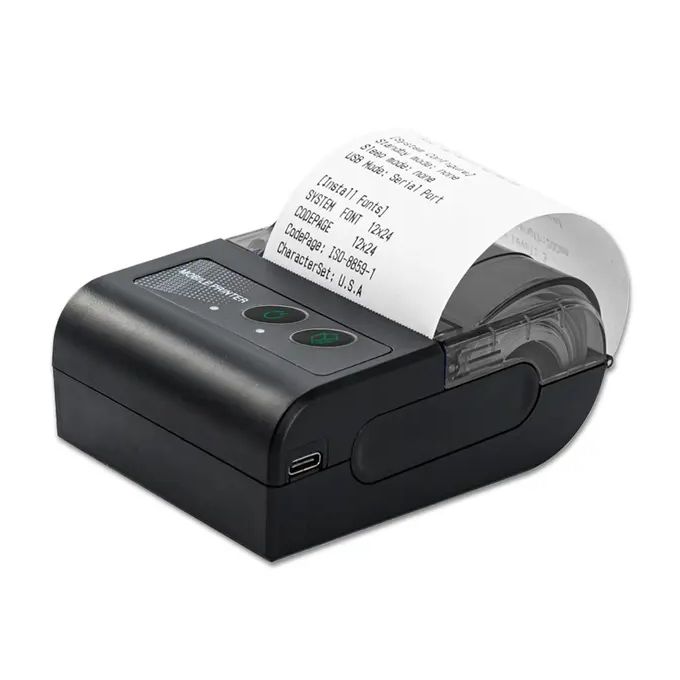
A small thermal printer or desktop printer (₦8,000–₦20,000)
Recharge card printing software or an online panel
Paper or card for printing
A basic laptop or smartphone
For VTU business only, you need:
A smartphone with internet
A VTU platform account (e.g, GopayNG)
Initial wallet funding (even ₦1,000 is enough to begin)
Profits from Data Bundles, Airtime, and Bill Payment Services
You earn commissions on every transaction:
₦50–₦150 profit per data bundle sold
2%–5% on airtime
1%–3% on electricity or TV subscriptions
Daily sales to friends, neighbors, and colleagues can quickly stack up. With loyal customers, your monthly income can reach ₦30,000–₦100,000 and even more if you scale.
Tips to grow:
Advertise on WhatsApp and in your community
Sell to students, workers, and small businesses
Offer loyalty bonuses or small discounts
🔐 Note: Always choose a reputable VTU provider to avoid issues with delayed or failed transactions.
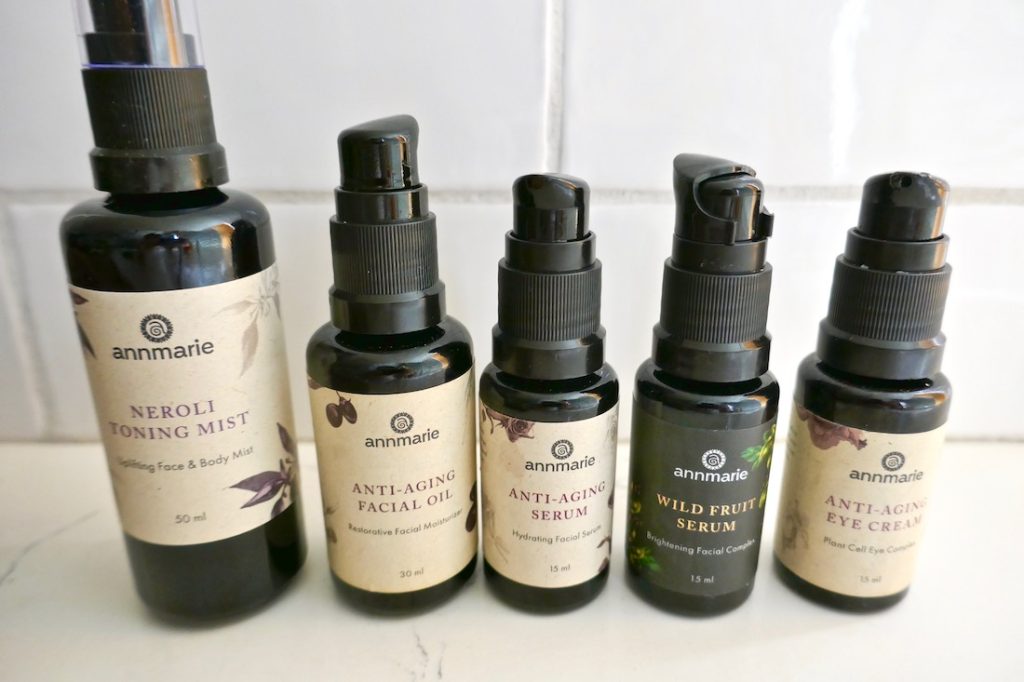
Business Idea #10: Organic Skincare Product Line
The demand for natural, handmade skincare products is growing fast, especially among young Nigerians who prefer chemical-free beauty solutions. Starting your own organic skincare line is one of the most profitable businesses with low investment, especially for women and beauty lovers.
You don’t need a huge factory or a beauty license to begin. You can start small at home and grow a loyal customer base with quality products and honest marketing.
How to Start with Simple Soaps and Oils
Begin with 2–3 basic products such as:
Black soap (for face and body)
Body butter (shea butter + essential oils)
Face scrub (sugar, honey, turmeric)
These can be made using locally sourced ingredients and natural additives. You’ll find most ingredients in local markets or online platforms like Organic Shoppe.
The average startup cost is around ₦15,000–₦25,000 to get ingredients, mixing bowls, packaging, and labeling.
Natural Ingredients You Can Buy Locally
Shea butter (ori)
Coconut oil
Turmeric
Honey
Activated charcoal
Essential oils (lavender, tea tree, etc.)
These ingredients not only cost less but are trusted for their skin benefits, making it easier to win your customers’ confidence.
Branding and Selling to a Loyal Customer Base
Create a simple brand name and logo using Canva, and label your products professionally, even if they’re handmade. Take beautiful photos with natural light and market on:
Instagram (before-and-after photos work great!)
TikTok (skincare tips and DIY videos)
WhatsApp TV and status
Facebook Marketplace
Be honest about what your product can do, and offer customer reviews and testimonials. As you grow, expand into other items like stretch mark creams, lip balms, or toners.
💡 Tip: Invest in nice packaging. People are more likely to buy and recommend products that look clean, classy, and trustworthy.
Bonus Idea: Starting a YouTube Channel or TikTok Niche Page
Starting a content-based business like a YouTube channel or TikTok niche page is one of the most profitable businesses with low investment, especially in 2025 when video content dominates the internet. The beauty of this idea is that you can start for free—no inventory, no physical products, just your phone, internet, and creativity.
Many Nigerians are now building a full-time income from creating content about what they already know—whether it’s tech reviews, lifestyle, education, comedy skits, or even faceless voice-over videos.
Content Ideas That Cost Nothing but Your Time
Don’t overthink it. You can create content around:
Business tips and small hustle tutorials
Cooking local meals
Educational explainer videos
Comedy skits or relatable rants
Voice-over stories using stock footage
Fashion try-ons or thrift haul videos
How-to videos (e.g., “How to start a soap business”)
For faceless content, you can use apps like CapCut, Canva, or VN Video Editor to edit slideshows, screen recordings, or AI voiceovers.
Monetization Opportunities Beyond Ads
Even before you qualify for YouTube monetization (which requires 1,000 subscribers and 4,000 watch hours), you can start earning from:
Affiliate marketing (promoting links and earning commissions)
Sponsored content (brands pay you to promote)
Selling your own products or digital courses
Promoting your VTU or small business links
Donations via Patreon or Buy Me a Coffee
Once monetized, YouTube pays monthly through AdSense. TikTok, on the other hand, can bring fast exposure and brand partnerships.
🎥 Tip: Use trending audio and keep your videos short and engaging (under 60 seconds for TikTok and Shorts).
How to Build a Personal Brand with Zero Budget
Pick a niche you’re passionate about or experienced in.
Create 3–5 videos per week and post consistently.
Use hashtags like #NaijaHustle, #SmallBusinessTips, #LearnOnTikTok.
Engage with your viewers in the comment section.
Reuse your videos across platforms (TikTok, Instagram Reels, YouTube Shorts).
In less than 3–6 months, with consistency and valuable content, you can build a following and begin earning passive income.
Common Mistakes People Make When Starting Low-Investment Businesses
Starting one of the most profitable businesses with low investment can be exciting, but without proper planning, many people fall into avoidable traps that cost them time, money, and motivation. Let’s look at the most common mistakes that slow down or even kill promising small businesses in Nigeria.
Overspending on Branding Too Early
While branding is important, some beginners focus too much on buying fancy logos, expensive packaging, or branded t-shirts before even making their first sale.
Yes, your business should look professional, but what matters most is whether people are willing to pay for your product or service. A clean name, decent packaging, and consistent customer service can do more for your growth than expensive branding.
Start simple. Once your business is earning steadily, reinvest in better branding.
Not Validating the Market Before Launching
Too many people start businesses based on assumptions instead of research. Just because your uncle thinks your soap smells nice doesn’t mean hundreds of strangers will pay for it.
Validate first. Ask around, run a small poll on WhatsApp, or even try selling a few units before going big. Validation helps you avoid wasting money on products or services no one needs.
Ignoring Digital Marketing Basics
You don’t need to be a marketing expert, but you must understand the basics:
How to create a simple flyer with Canva
How to post regularly on WhatsApp, Facebook, or Instagram
How to talk about your business without sounding desperate
Some people set up shop and hope people will “just find them.” It doesn’t work like that.
Marketing is the heartbeat of your business—without it, even the best product will struggle.
⚠️ Pro Tip: Post your product/service every day. People need to see your business multiple times before they trust you enough to buy.
How to Fund Your Small Business If You Don’t Have 20k
You don’t need to wait until you have ₦100,000 to start a business. Many successful entrepreneurs started with next to nothing. Here’s how you can raise your initial funds if you don’t even have ₦20,000.
Small Ways to Raise Capital (Without Loans)
Sell unused items: Clothes, shoes, old gadgets—turn them into startup capital
Offer a small service: Cook, clean, run errands, or teach something for a small fee
Save transport money: If you usually spend ₦1,000 daily, walk or reduce trips and save the difference
Delay luxury spending: That new hair, shoe, or wristwatch can wait
These small actions can quickly raise ₦10,000–₦30,000 within 1–2 weeks.
Leveraging Family and Friends the Smart Way
Instead of begging for money, try this approach:
Pitch your idea clearly (e.g., “I want to start a soap business and need ₦15,000 to buy materials. I already have 3 people who want to buy once I start.”)
Offer them free samples or discounts when you launch
Keep them updated on your progress
When people see you’re serious, they’re more likely to support you.
💡 Tip: Use platforms like Cowrywise or PiggyVest to save consistently for your startup capital.
Tools and Apps That Make Low-Capital Businesses Easier
Running one of the most profitable businesses with low investment doesn’t mean doing everything manually. In fact, smart entrepreneurs use free or low-cost tools to save time, appear more professional, and scale faster. Whether you’re into VTU, content creation, selling products, or offering services, the right tools can make your life easier and your business smoother.
Free or Cheap Tools for Graphics, Accounting, and Sales
Here are essential categories of tools and some top recommendations:
| Need | Tool | Use |
|---|---|---|
| Graphic design | Canva | Create flyers, product labels, and menus |
| Accounting & record-keeping | Wave | Track income/expenses |
| Invoicing & receipts | Invoice Generator | Generate free invoices & receipts |
| Payment collection | Paystack | Accept payments online |
| Product/service catalog | WhatsApp Catalog | Showcase products with prices |
| Scheduling posts | Meta Business Suite | Auto-post on Instagram & Facebook |
You don’t need to master everything at once. Just pick what works for your business type and use it consistently.
Online Platforms That Simplify Your Business Process
Depending on your chosen business, platforms can help you do heavy lifting:
VTU: GopayNG for easy airtime, data, and bill reselling
Mini Importation: 1688.com for sourcing products from China
Freelancing: Fiverr and Upwork for getting writing/design gigs
Skincare/Catering Sales: Instagram Shopping and [WhatsApp Business] for catalogs and order management
💡 Tip: Use Linktree to group all your links (order form, blog, VTU page, etc.) in one place—great for your bio on Instagram or TikTok.
Automation Tricks to Save Time and Energy
Schedule posts weekly using Meta Business Suite
Set up auto-replies on WhatsApp Business for inquiries
Create ready-to-send price lists for fast sharing
Use templates for invoices, DMs, and flyers
Automation doesn’t just make you look more professional—it frees up time for other things like marketing and product improvement.
🧠 Smart move: If a task repeats weekly, automate it. Your time is better spent growing the business, not repeating admin work.
How to Market Your Small Business Without Spending a Dime
Marketing is the engine that drives every business. But if you’re starting one of the most profitable businesses with low investment, chances are your budget is tight. The good news is that you don’t need a fat bank account to promote your hustle effectively.
With the right strategy, consistency, and free tools, you can reach hundreds—even thousands—of people every week without spending a single naira.
Using WhatsApp Status and Facebook Groups
WhatsApp Status is your daily billboard. If 150 people view your status and just 10 place an order, that’s money in your pocket.
How to use WhatsApp to sell daily:
Post 4–6 times a day with engaging content (e.g., product photos, customer reviews, short videos)
Use clear, direct captions like “Only 3 packs left—who wants?”
Repost customer feedback with emojis and a call-to-action (CTA)
Facebook Groups are also powerful. Join groups related to your business (e.g., “Lagos Food Vendors,” “Affordable Skincare Nigeria”) and share value-packed posts, not just sales pitches. Build trust first, then sell.
🔥 Pro Tip: Use broadcast lists on WhatsApp to send new offers or updates directly to loyal customers.
Creating Simple Flyers with Canva
Don’t wait until you can afford a graphic designer. Use Canva to design:
Product flyers
Price lists
Business cards
Menu of services
Testimonials or announcements
Canva is free, easy to use, and has thousands of templates. You can even design directly from your phone. Keep your designs clean, colorful, and focused on the message.
Leveraging Referrals and Word-of-Mouth
Your happiest customers are your biggest marketing team.
Ways to encourage referrals:
Offer ₦200 airtime or 10% off for every successful referral
Ask loyal customers to post about your product on their status
Create a referral card or link if you’re using a platform like Paystack or GopayNG
People trust recommendations from friends more than ads, so turn your customers into unpaid promoters.
📢 Bonus Tip: Always ask for a review or testimonial after a good transaction. Post it with permission—it builds trust and credibility.
Legal Considerations: What You Need to Know
Even though you’re starting one of the most profitable businesses with low investment, it’s important to operate legally and protect yourself from future issues. Many small business owners ignore this part until something goes wrong. But with a little effort, you can set your business on a strong legal foundation right from the start.
Do You Need to Register Your Business?
If you’re just testing an idea, you can start without registration. But once you begin making regular sales or handling customer money (e.g., POS, VTU, catering), it’s smart to register your business name with the Corporate Affairs Commission (CAC).
Benefits of registering:
Builds trust with customers and partners
Opens the door for business bank accounts
Allows you to apply for grants or loans
Protects your business name from being stolen
You can register a business name online in Nigeria for as low as ₦10,000–₦15,000 via the official CAC website: https://pre.cac.gov.ng
Simple Ways to Get a Business Name and Account in Nigeria
Visit CAC’s online portal and search to see if your desired business name is available.
Reserve the name, then complete the registration form.
Once approved, you’ll get your CAC certificate and BN number.
Go to any major bank (e.g., Access, Zenith, GTB) and open a corporate account with your CAC document, passport photo, and valid ID.
Banks like Moniepoint, Opay, and Kuda also offer easier, faster business accounts without as much paperwork.
💡 Pro Tip: Pick a name that reflects your service and is easy to remember—e.g., “GlowNatural Skincare” or “SwiftSnacks NG.”
Keeping Your Records Clean from Day One
Whether or not you’re registered yet, it’s crucial to track your income and expenses. This helps you:
Know if you’re making a profit
Avoid overspending
Stay ready for future registration or funding
Use tools like:
A simple notebook or Excel sheet
Free apps like Wave Accounting or Zoho Books
Google Sheets (accessible on your phone)
Also, avoid mixing your personal money with your business money. Even if you don’t have a business account yet, use a separate savings account to track your business cash flow.
📘 Bonus: If you ever want to grow your small business into a big brand, good records are the foundation that will support it.
Real-Life Success Stories of Low-Investment Entrepreneurs
Sometimes, the best motivation to start one of the most profitable businesses with low investment comes from hearing real stories—people like you who started with little or nothing and built thriving businesses. These stories show that capital isn’t the only thing you need—consistency, creativity, and grit matter even more.
1. Joy, the Liquid Soap Seller from Port Harcourt
Joy was a fresh graduate with no job and no connections. With just ₦7,000, she bought ingredients to produce 10 bottles of liquid soap. She started by giving free samples to her neighbors and church members.
Within a week, she sold out.
Joy reinvested the profit, learned better packaging, and created a WhatsApp group where she took weekly orders. In under 3 months, she was selling to 5 mini supermarkets and earning over ₦60,000 monthly.
Lesson: Don’t wait to be perfect—start where you are with what you have.
2. Musa, the POS Agent in Kaduna
Musa started with a free POS machine from Moniepoint and ₦20,000 as float. He set up a small kiosk at a junction near a market. Within the first week, he was processing over 30 transactions daily.
Today, Musa has expanded to 3 locations and employs 2 young people. His average daily profit? Between ₦3,000 and ₦7,000.
Lesson: Pick a high-traffic location and offer excellent customer service. You don’t need millions to build a daily income.
3. Favour, the Thrift Clothing Queen, on WhatsApp
Favour, a student in Enugu, began selling Okrika tops she bought for ₦12,000 from Lagos. She washed, ironed, and modeled the clothes herself. Every day, she posted them on WhatsApp with funny captions and urgency (“Who go collect this one? 😍 Only 1 left!”).
Now, she sells out in hours and uses profits to support her school needs and siblings.
Lesson: Your WhatsApp is not just for chatting—it’s a powerful business tool.
4. Emeka, the Freelance Writer from Delta
Emeka stumbled into writing while browsing Facebook. He wrote a sample blog post, signed up on Upwork, and got his first $15 job after two weeks.
In less than 6 months, he was earning more than ₦100,000 monthly, working from home. He later started his own blog to share tips with other writers.
Lesson: If you can write, you can earn. Learn the skill, then sell it globally.
5. Ada, the TikTok Skincare Seller
Ada started her organic skincare brand with just ₦15,000, making turmeric soap and whipped shea butter from her kitchen. But she didn’t stop there—she created daily TikTok videos showing how she makes the products, how they work, and customer reviews.
Her first video got 50k views. Orders started flooding in.
Today, Ada earns more from skincare than her office job and is planning to go full-time.
Lesson: Use content to build trust and visibility. Consistency + authenticity = growth.
These are just a few of many Nigerians proving that you don’t need big money to build a successful business—just the right mindset, tools, and daily action.
Final Thoughts: Which Business Is Right for You?
Choosing from the most profitable businesses with low investment can feel overwhelming, especially when every option looks exciting and promising. But the truth is, the best business for you is the one that matches your skills, passion, and current situation.
You don’t have to do everything. Just one well-executed idea can change your story completely.
Aligning Your Skills and Interests with the Right Business
Here’s a quick guide to help you decide:
| If you’re good at… | Try this business |
|---|---|
| Writing and communication | Freelance writing, blogging, or social media management |
| Cooking or baking | Home catering and food delivery |
| Talking to people/sales | POS business, VTU services, and thrift fashion sales |
| Creating content | YouTube, TikTok niche channel, Instagram Reels |
| Crafting or formulating | Liquid soap, skincare products |
| Finding great deals online | Mini importation or reselling |
Start with the business you feel naturally drawn to. It makes learning and growing easier.
Start Small, but Think Long-Term
You don’t need a perfect business plan to begin. What matters is starting, taking that first step with the little you have. Test your idea. Talk to potential customers. Improve your product. Then grow from there.
Start with what you have.
Learn daily, improve weekly
Reinvest profits into better tools, branding, and marketing
Stay consistent, even when it feels slow
Celebrate your small wins—they build momentum
💡 Remember: Big businesses often started as small, uncertain ideas in someone’s room.
You are never too poor to start, too young to dream, or too late to learn.
21. Frequently Asked Questions (FAQs)
Q1: What is the easiest business to start with 10k–20k?
VTU/data reselling, liquid soap production, and thrift clothing sales are some of the easiest. They require little setup, can be done from home, and have fast turnover.
Q2: Can I run these businesses while working a job or going to school?
Yes. Most of these businesses (like VTU, writing, or selling online) are flexible and can be managed on your phone during your free hours. You don’t have to quit your job or studies.
Q3: How long before I start making a profit?
It depends on your effort, marketing, and the business type. But with consistency, many people start earning a profit within 2–4 weeks. The key is to start small, deliver value, and keep improving.
Final encouragement:
The world is full of opportunities, but only those who take action get results. No matter your background or capital, there’s a low-investment business that can work for you.
Start today. Stay committed. Your breakthrough might be one hustle away.